
 5.051 Google reviews5.0 on Yell from 213 ratings
Slate roofing in Brighton, plus clay and concrete tile
Owners of Regency and Victorian houses call Sure Seal for slate roofing in Brighton because we fix natural slate the traditional way, course by course. Book the free drone survey and see every slipped slate and cracked ridge up close, before any work is agreed.
Quote for slate or tile
Pick the job. It takes about 30 seconds.
Or call 01273 115938. No deposit, no call-out charge.
5.0 on Google51 reviews, all 5 stars
5.0 on Yellfrom 213 ratings
 Expert Roofer VerifiedEvery check passed, see our profile
What goes wrong with slate and tile
Slate and tile fail in different ways, so here's what to look for on each.
Slates sliding out of line
Slates that have slipped down the roof, some hanging by a single nail, are the classic sign of nail sickness. Where one goes, the ones around it follow.
Metal clips all over
Rows of little lead or copper clips holding slates in place mean the roof has been repaired slate by slate for years. It's telling you the fixings are finished.
Slates splitting into layers
Poor quality slate splits into thin layers and flakes at the edges. Once the surface peels, water gets in, and every frost widens the gap.
Crumbling clay tiles
Handmade clay tiles that shed their face in frost, or crumble at the nibs, can't keep water out or stay hooked onto the batten.
Cracked concrete tiles
Concrete tiles crack when someone walks on them or a branch drops. A cracked tile lets water onto the felt in every downpour.
Slate and tile, laid the traditional way
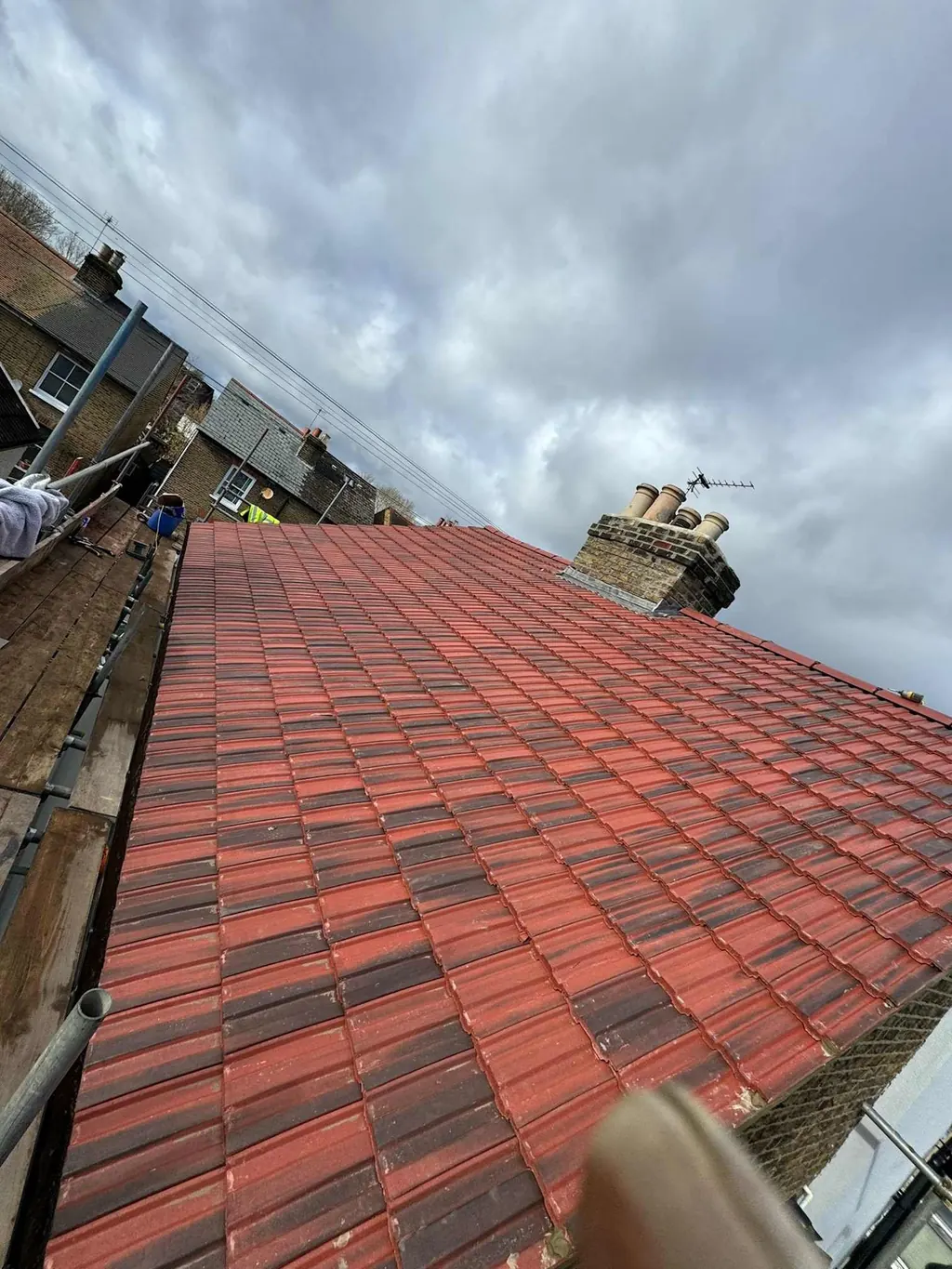
Slate is fixed, not hung. Each one is holed, nailed twice with copper or stainless nails and laid with the right headlap so water can't track back over the top. We set the battens out to the exact gauge for the slate size, so the courses run dead straight from eaves to ridge. On repairs, a single slate goes back on a copper tingle or a slate hook, matched in size and colour to the ones around it.
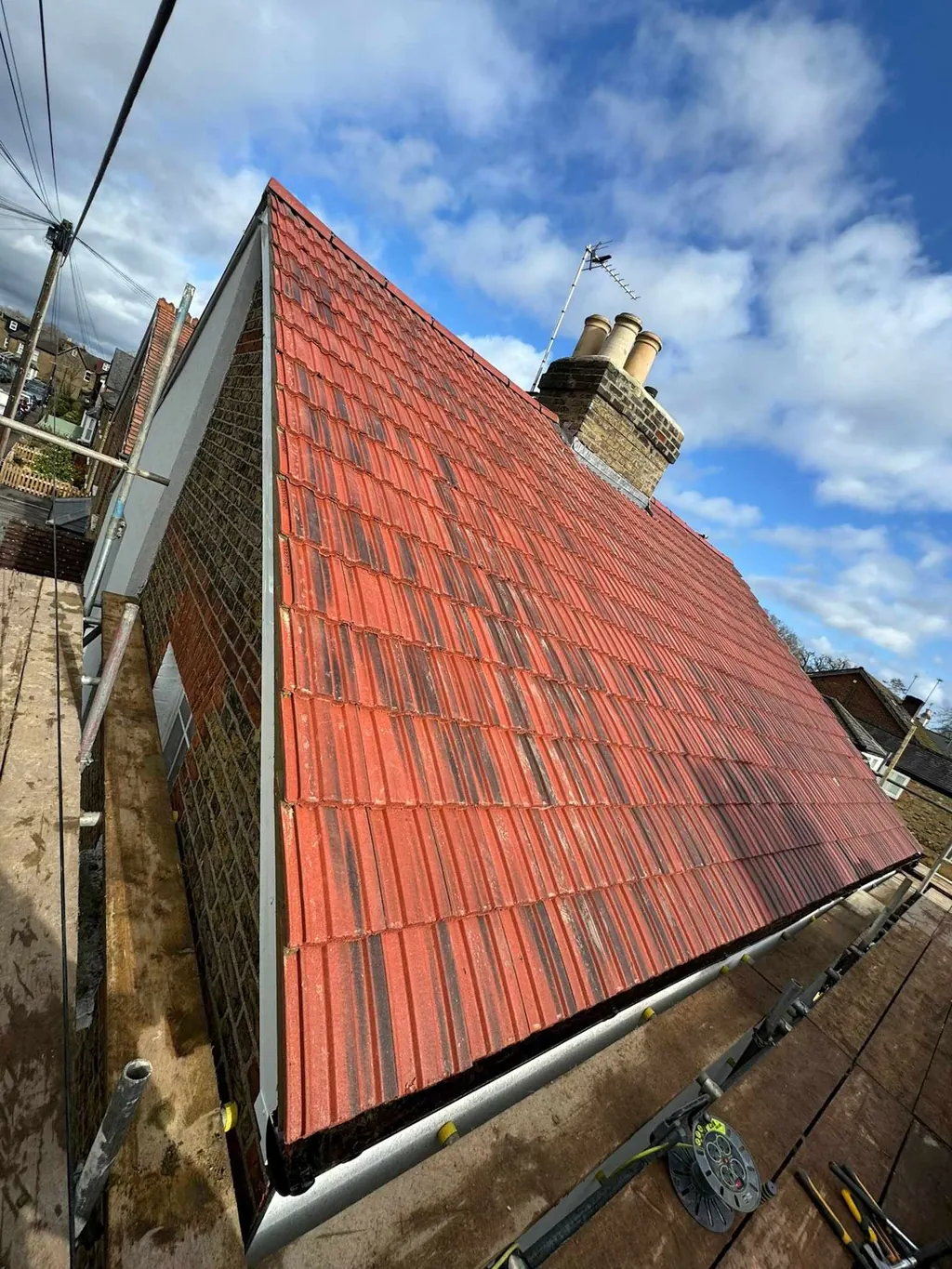
Tiles are a different craft. Plain clay tiles hang on their nibs with every few courses nailed, and bonnet or valley tiles go in at the corners where the roof uses them. Concrete interlocking tiles are clipped and nailed to modern wind-uplift standards, and that matters on the coast. Either way, ridges and hips are bedded or dry fixed, verges are finished off neatly, and the roof is left watertight at the end of every day.
- Natural Welsh and Spanish slate
- Copper or stainless nails
- Clay and concrete tiles
- Battens gauged to the slate
- Single slates replaced on tingles
- Fully guaranteed
Brighton's slate skyline, and Sussex tile
Walk any street in Hanover, Kemp Town or Brunswick and you'll see the roofline is mostly grey slate, much of it Welsh, laid when those terraces went up. Plenty of it is now reaching the end of its nails rather than the end of its life, which means it can be stripped, sorted and relaid, with new or reclaimed slate making up any shortfall. Head north to Horsham and you'll find Horsham stone and Wealden clay tiles, and that's a different job again.
Slate or tile: which suits your house
Here's how the main coverings compare on a Sussex house.
Welsh slate
Dense, hard wearing and the original covering on most of Brighton's Victorian and Regency terraces. It's the slate conservation officers like to see, and it matches the roofs either side, so a re-roof doesn't stick out on the street.
Best for: Listed and conservation-area homes
Spanish slate
Good Spanish slate looks close to Welsh, comes in a range of grades and costs less. Pick a quality grade, because the cheapest slate can carry iron pyrite that rusts and stains, and that flaw shows on a roof for decades.
Best for: Period look on a tighter budget
Clay tile
Plain clay tiles give the warm red roofscape of older Sussex towns and villages. They're small, so they suit roofs with dormers, hips and curves, and they age well rather than fading to grey.
Best for: Sussex cottages and Edwardian houses
Concrete tile
Interlocking concrete tiles cover big, simple roofs fast and cost the least per square metre to lay. On a 1960s semi or a coastal bungalow that started life with concrete tiles, it's the sensible like-for-like choice.
Best for: Post-war houses and bungalows
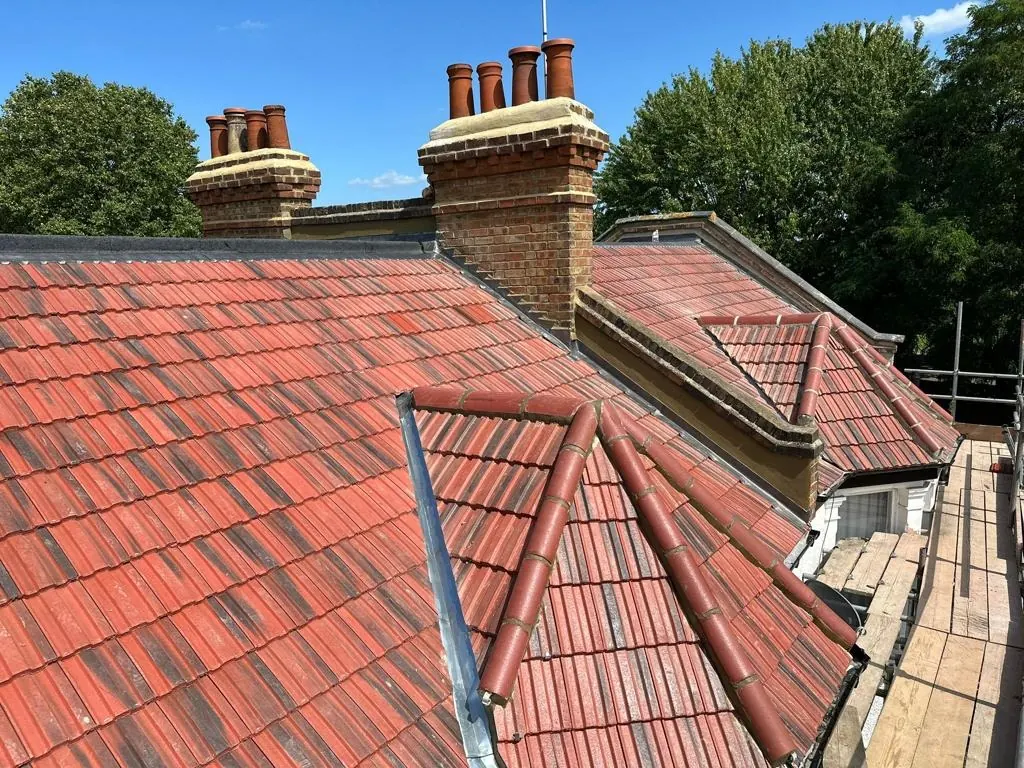
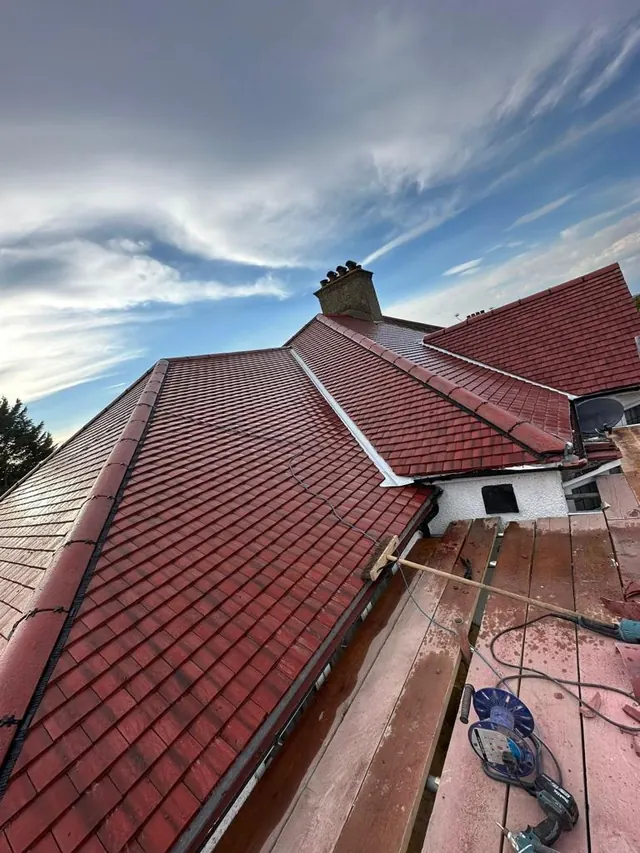
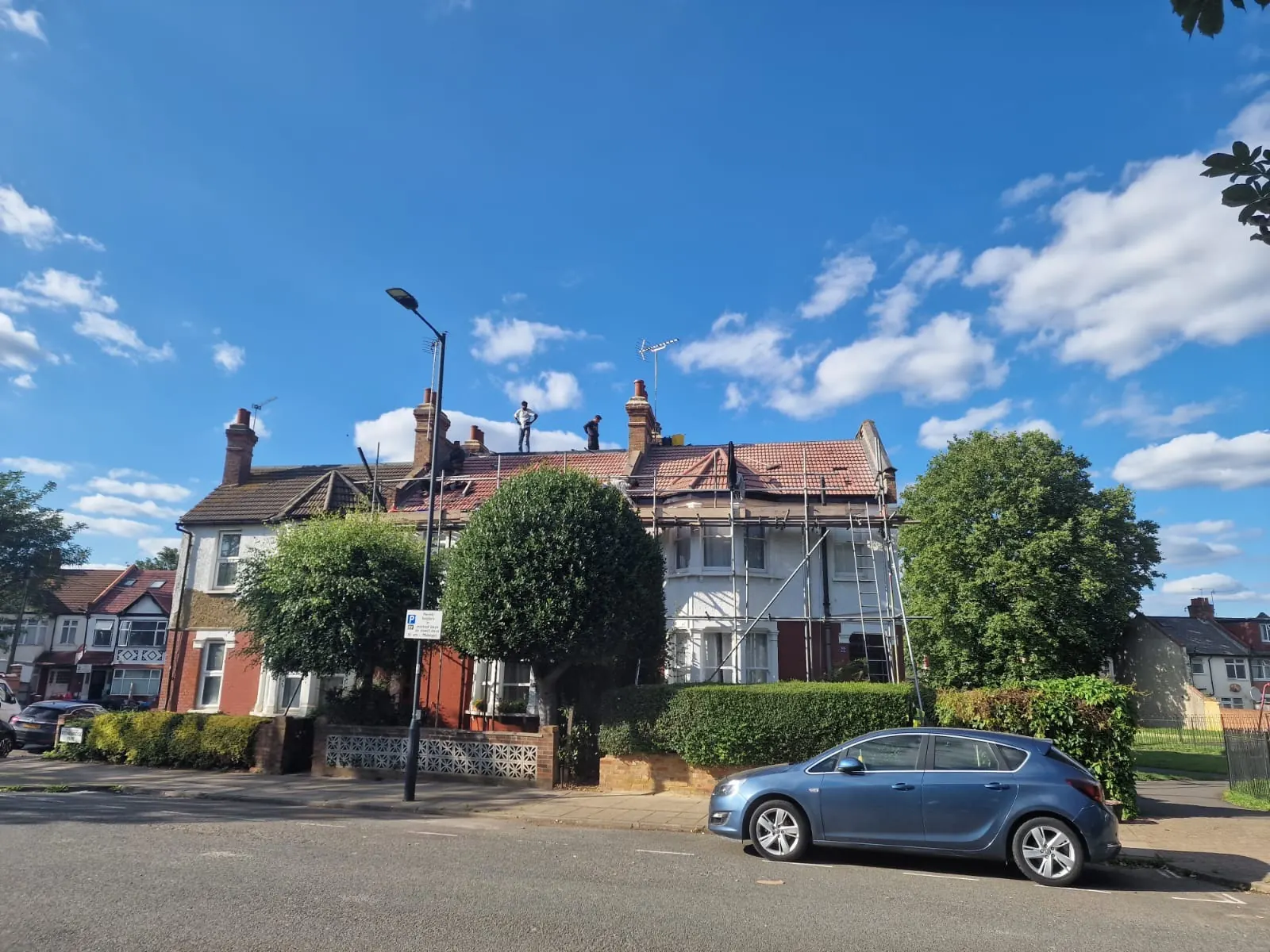
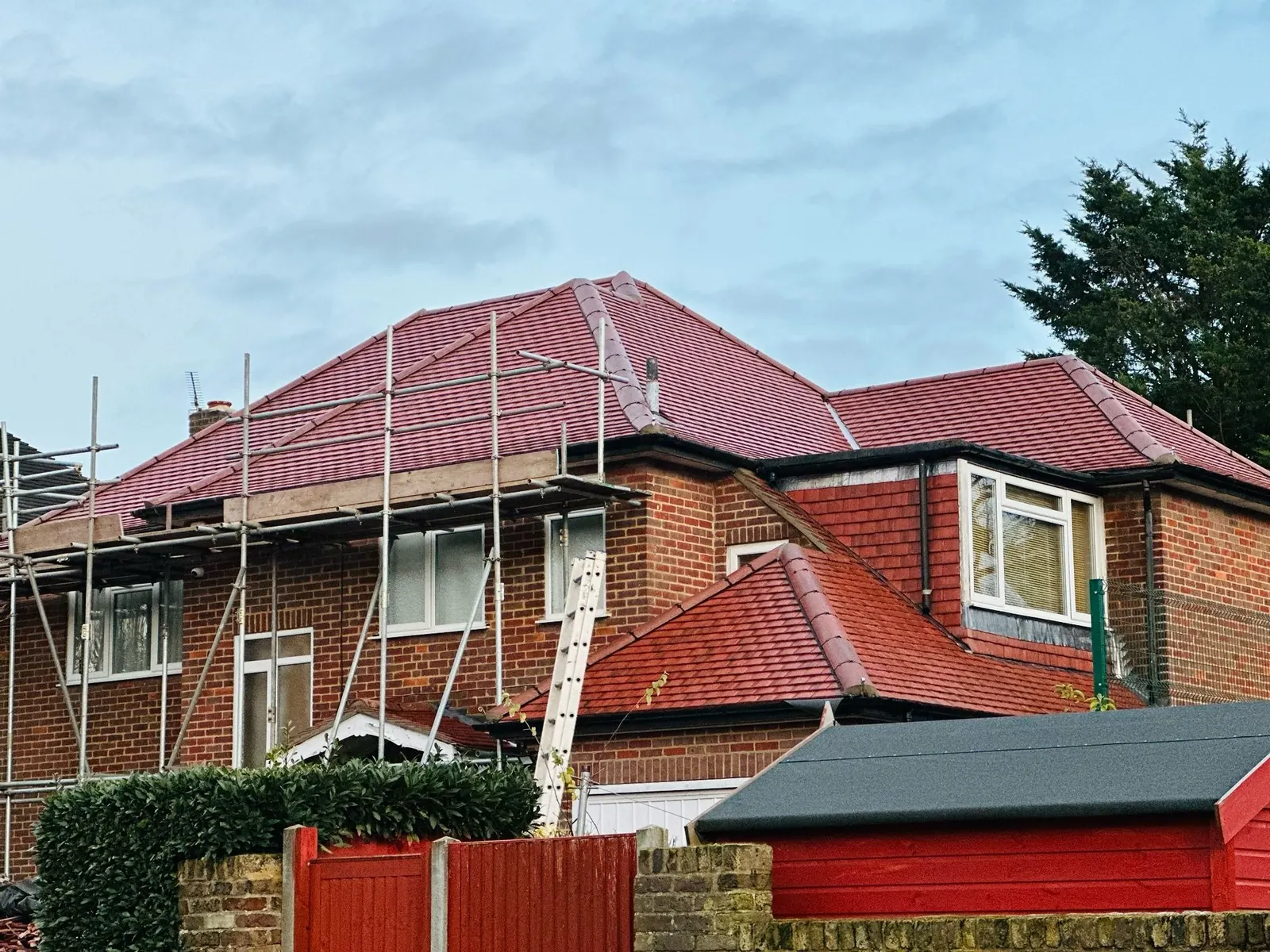
Recent slate and tile roofing jobs
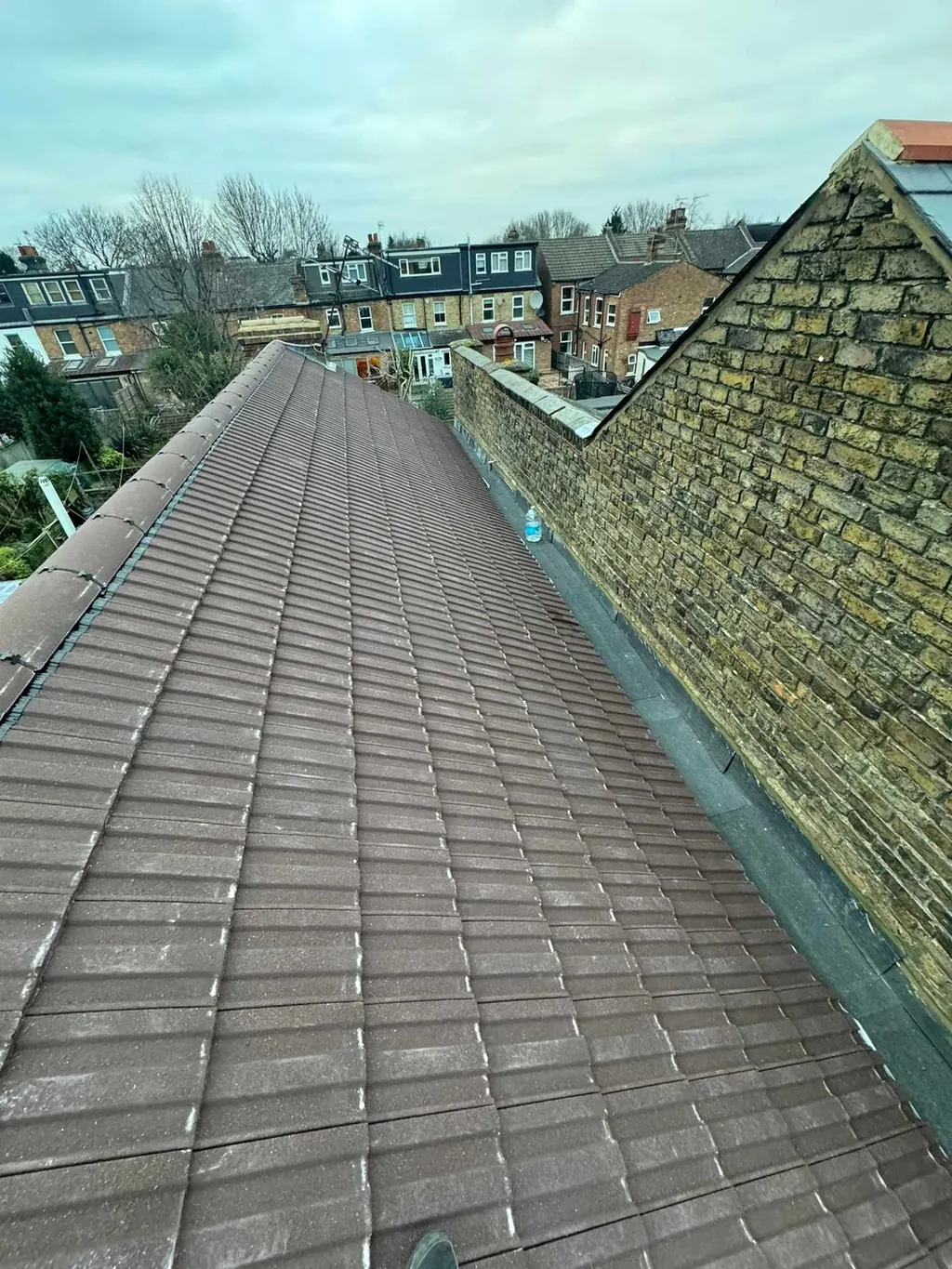
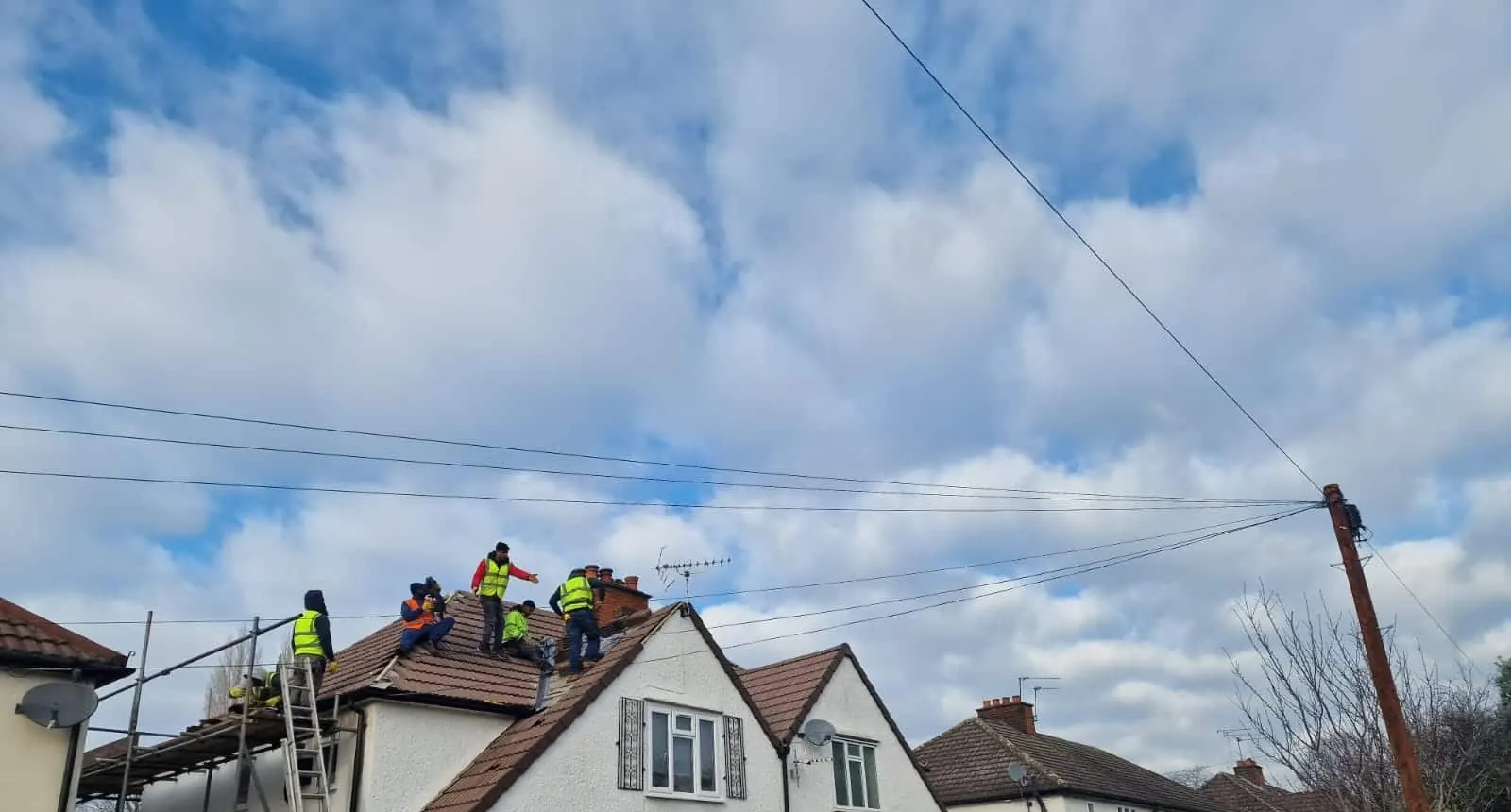
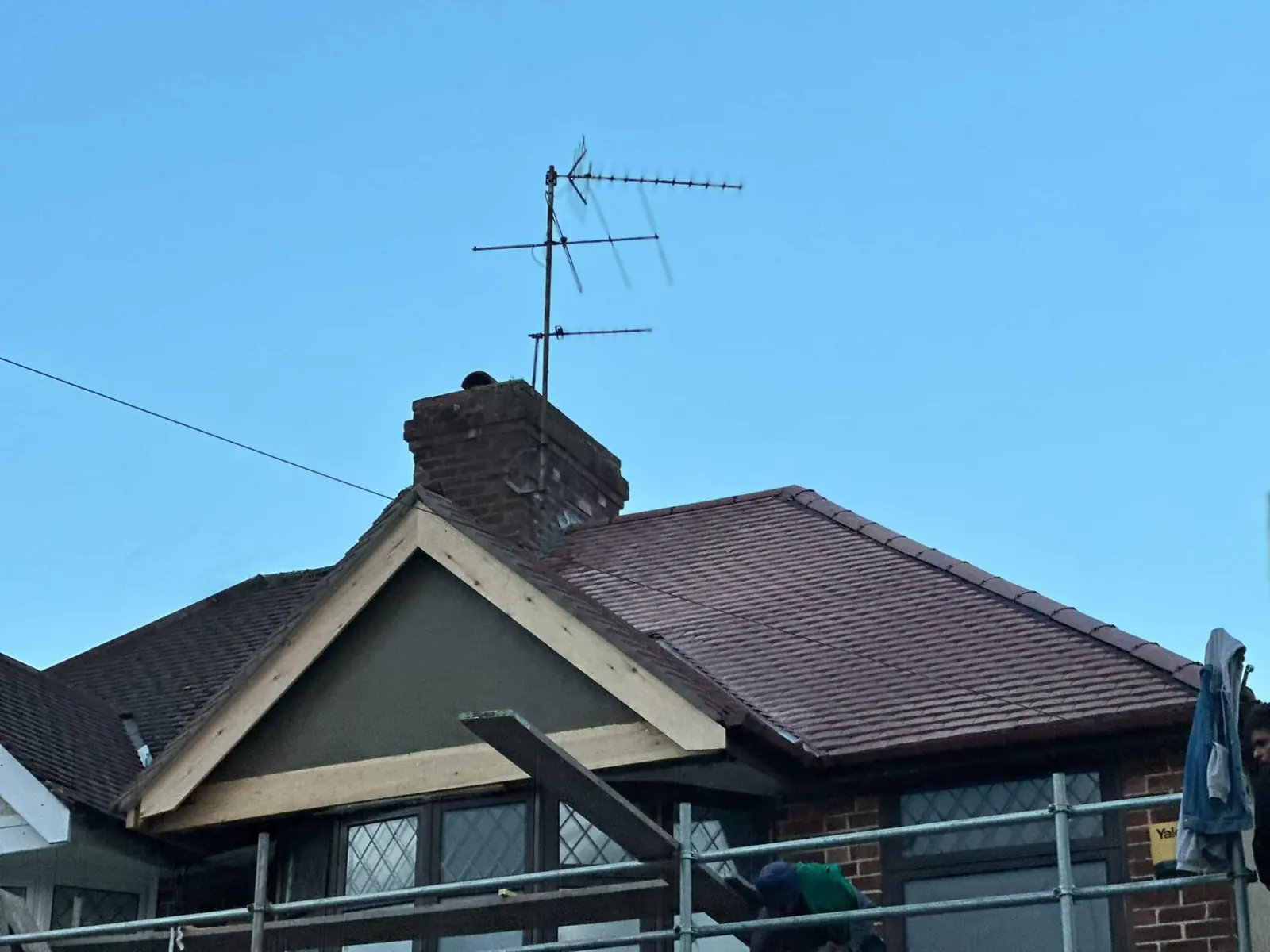
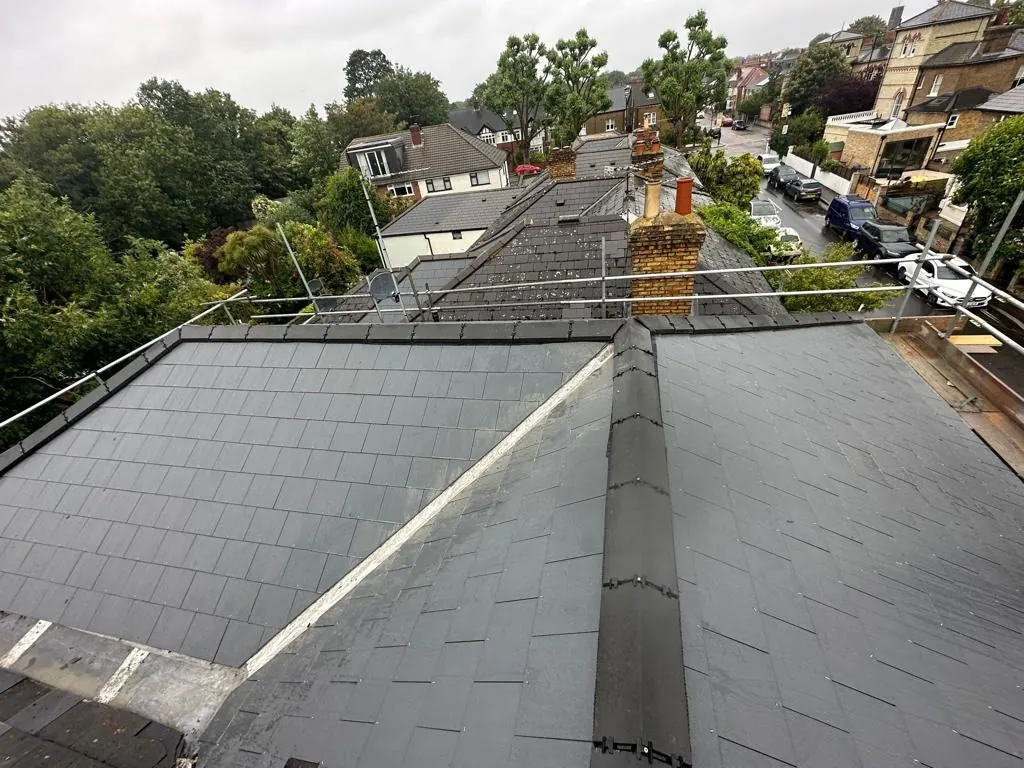
What homeowners wrote after the job
Great service for flat & tiled roof repair. Professional and knowledgeable advice on works required. Good management which gave quick response and completion of works required.
If you have any roofing work or repairs to be done, then look no further than Sureseal Roofing & Guttering. I have found William and his team to be responsive & professional. They were able to address all my queries and advise wherever necessary. Most importantly their standard of finished work measured upto what had been committed, as well as my expectations of high quality. I whole-heartedly recommend their work.
The owner and his team provided a great quotation, fair pricing, and excellent communication. I recently had my garage roof repaired and was very satisfied. The work was completed efficiently and to a high standard. Highly recommended!
Absolute class! Came out on the day to replace a broken roof tile at a great price. Would recommend to everyone. Cheers boys!! 👊
We hired Thomas based on a friends recommendation, for what was meant to be a small repair job. It turned out we needed the entire roof surface redone. SureSeal were able to start the work right away and do it all in 3 days. The work was done to a high standard, tidying up afterwards was very thorough. I would especially highlight the great communication. Thomas kept me updated about everything, answered questions and concerns and was very available.
We had an issue with a leak coming from our chimney and on getting up there realised our flat roof had been installed poorly. Brendan was so professional throughout, talking us through everything and not pressuring us to make quick decisions regarding the repair. His team were very efficient and got the job done in 2 days. Brendan kept me updated throughout the job, sending photos of the work. His team left the place spotless, even washing down the roof on completion. Having had a few quotes from some rather suspect companies, these guys are so genuine and clearly take pride in doing the job well. Would recommend and call again if needed.
Why slate and tile prices differ
The covering itself is the first big choice: Welsh slate costs more than Spanish, and both cost more than concrete tile. After that it's labour, and slate takes longer to lay than interlocking tile because every piece is holed and nailed by hand. Reclaiming and relaying your old slates can save on materials if enough of them are sound. Access and scaffolding on Brighton's tall terraces add a fair share too.
What sets the price
- Welsh, Spanish or reclaimed slate
- Clay versus concrete tile
- Roof area and number of slopes
- Hips, valleys and dormers
- How many old slates can be reused
- Scaffolding on tall terraces
No surprises: the price on your written quote is the price you pay. No deposit.
From your call to a finished job
Tell us what's wrong
Tap the problem, fill in the short form or call Jamie. We respond fast, and emergencies get a call-out 24/7.
Free drone survey
We put a drone over the roof and show you the photos, so you see exactly what we see.
Fixed written quote
One price for the job that's actually needed. No deposit and no call-out charge.
Done and cleared
We do the work, take every bit of waste away and leave the place spotless.
Slate and tile roofing questions
What is nail sickness on a slate roof?
It's when the nails holding the slates rust through and the slates start slipping. Victorian slate was fixed with iron nails, and after a century of sea air they corrode long before the slate wears out. You'll see slates hanging crooked or lying in the gutter. The cure is to strip, re-batten and relay the roof with copper or stainless nails.
Can you reuse my old slates?
Often, yes. Good Welsh slate outlasts several sets of nails. We strip carefully, sort the sound slates from the cracked and thin ones, and relay the best on the slope people see from the street. Any shortfall is made up with matched reclaimed or new slate. It keeps the character of the house and saves on materials.
What's the difference between Welsh and Spanish slate?
Welsh slate is harder and denser, with a blue-grey or purple tone, and it's what most old Brighton roofs were built with. Spanish slate is quarried mainly in Galicia, is darker and flatter, and costs less. Good grades of both make a fine roof. On a listed house or in a conservation area, Welsh or reclaimed slate is the safe choice.
Are clay tiles or concrete tiles better?
Clay tiles hold their colour, age gracefully and suit older Sussex houses, but they cost more and take longer to lay. Concrete tiles are cheaper and quicker, and they're the right match on houses built with them. Go with whichever the house was designed for, because the roof timbers and pitch were set out for that covering.
Can you match the slate on a listed building?
Yes. We match reclaimed Welsh slate to the size, colour and thickness of what's already on the roof, and fix it the traditional way with copper nails. On a listed building, any change of material needs consent, so like-for-like matching is the way to repair or re-roof without a planning headache.
Slipping slates on a period roof?
Book a free drone survey and we'll show you exactly what state your slate or tile is in.